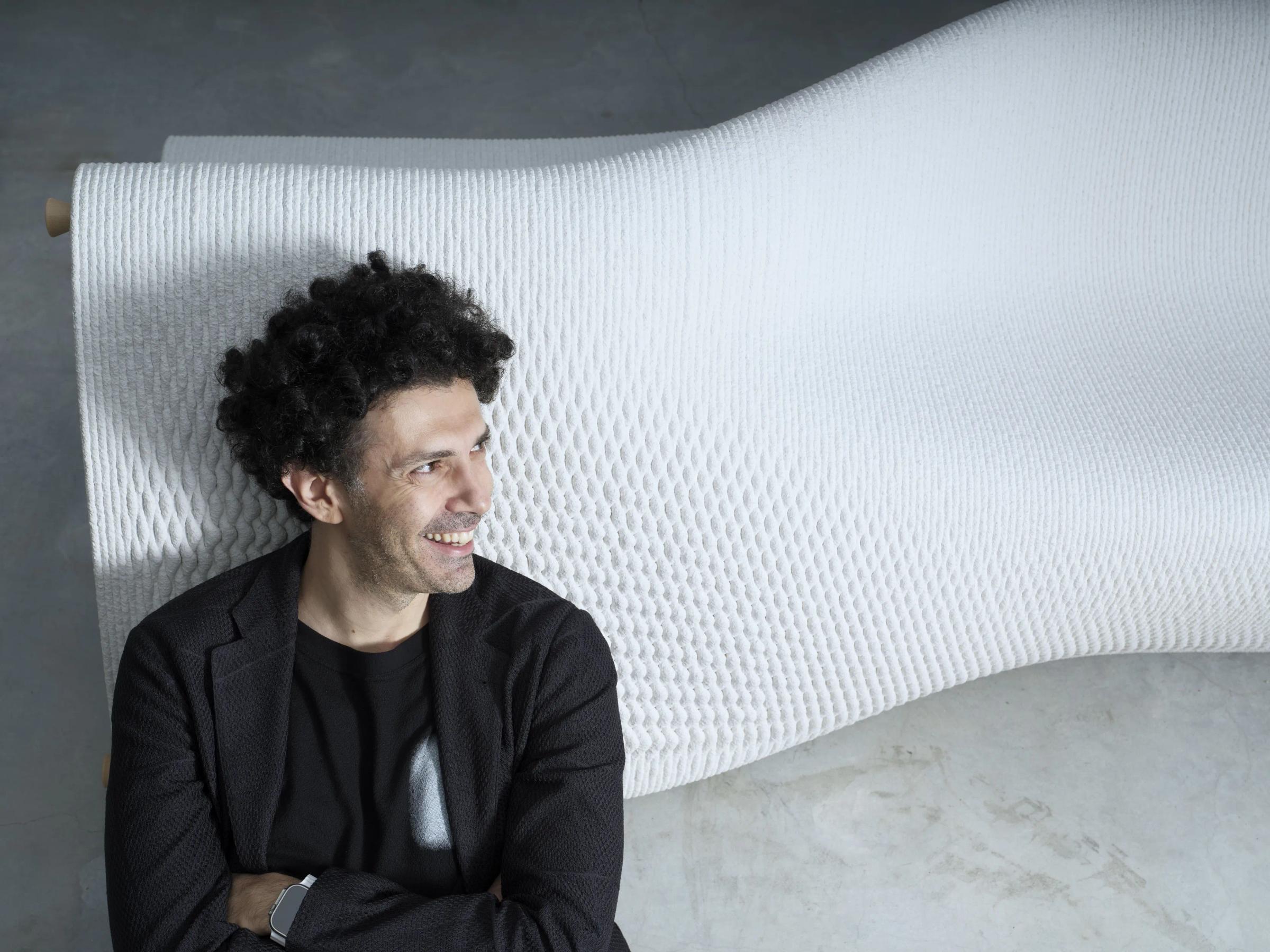
Carmelo Zappulla talks to AD about ethics, aesthetics, and technology in architecture
In an interview with AD Spain, Carmelo Zappulla, founder of External Reference, reflects on how to reconcile spectacle and environmental responsibility in contemporary architecture. For Zappulla, technology should not distance a project from nature but serve as a way back to it, a principle the studio applies both to materials and to the full experience of a space. This outlook is backed by an in-house research department that develops tools linked to artificial intelligence and spatial analysis, with particular attention to neuroarchitecture as a science applied to perception.
The studio defines itself through its rejection of specialisation, treating each discipline as a source of knowledge that enriches the others, and through a core conviction: innovation, aesthetics and ethics must move together for a project to hold meaning beyond its visual impact. This philosophy takes shape in pieces like Pure Plants, a series of 3D-printed sculptures made from a biopolymer based on natural minerals and corn sugar that purify the air by absorbing CO₂, their forms inspired by leaf phyllotaxis and reinterpreted through parametric technology.
At a larger scale, the studio's commitment to its surroundings shows in interventions such as the one at W Barcelona's seafront promenade in Barcelona, featuring bio-receptive panels resistant to the marine environment that collect rainwater to feed a vegetal system integrated into the facade. In retail, projects like WOW Concept in Madrid and the space designed for La Manso in Barcelona show how External Reference turns architecture into an active vehicle for brand identity, with materials, lighting and geometries responding to a scenographic logic specific to each project.