Vespella De Gaia Graveyard
Tarragona, Spain2007
Every culture develops unique responses to death, defining rituals of reverence and methods of body preservation. In our society, likely due to Catholic influence, burial in the earth is the norm.
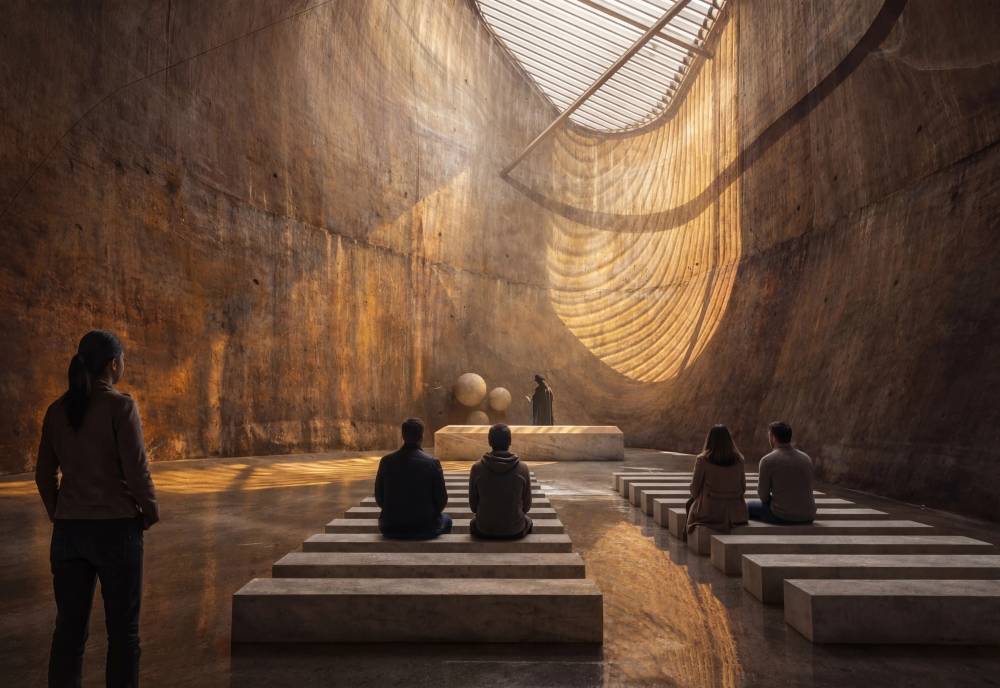
Ancestral Etruscan practices echo in our approach: tombs were seen as the dead›s dwellings, built as cylindrical structures integrated with the landscape. A key element in funeral architecture is the treatment of natural light; light from above symbolises the connection between life and the afterlife and functions as a natural clock, as seen in Rome’s Pantheon.
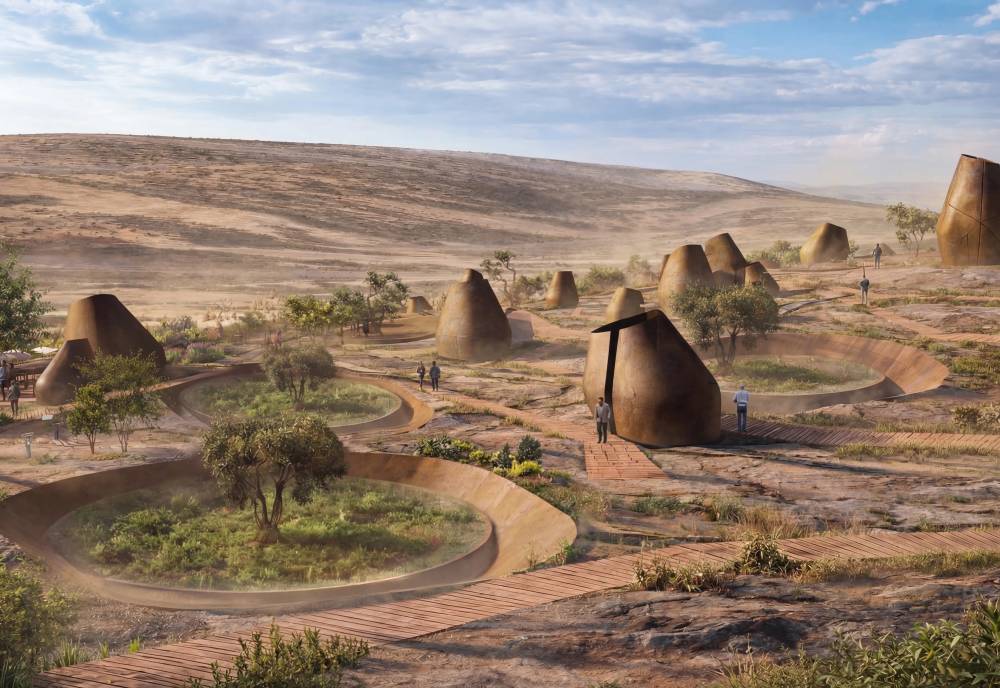
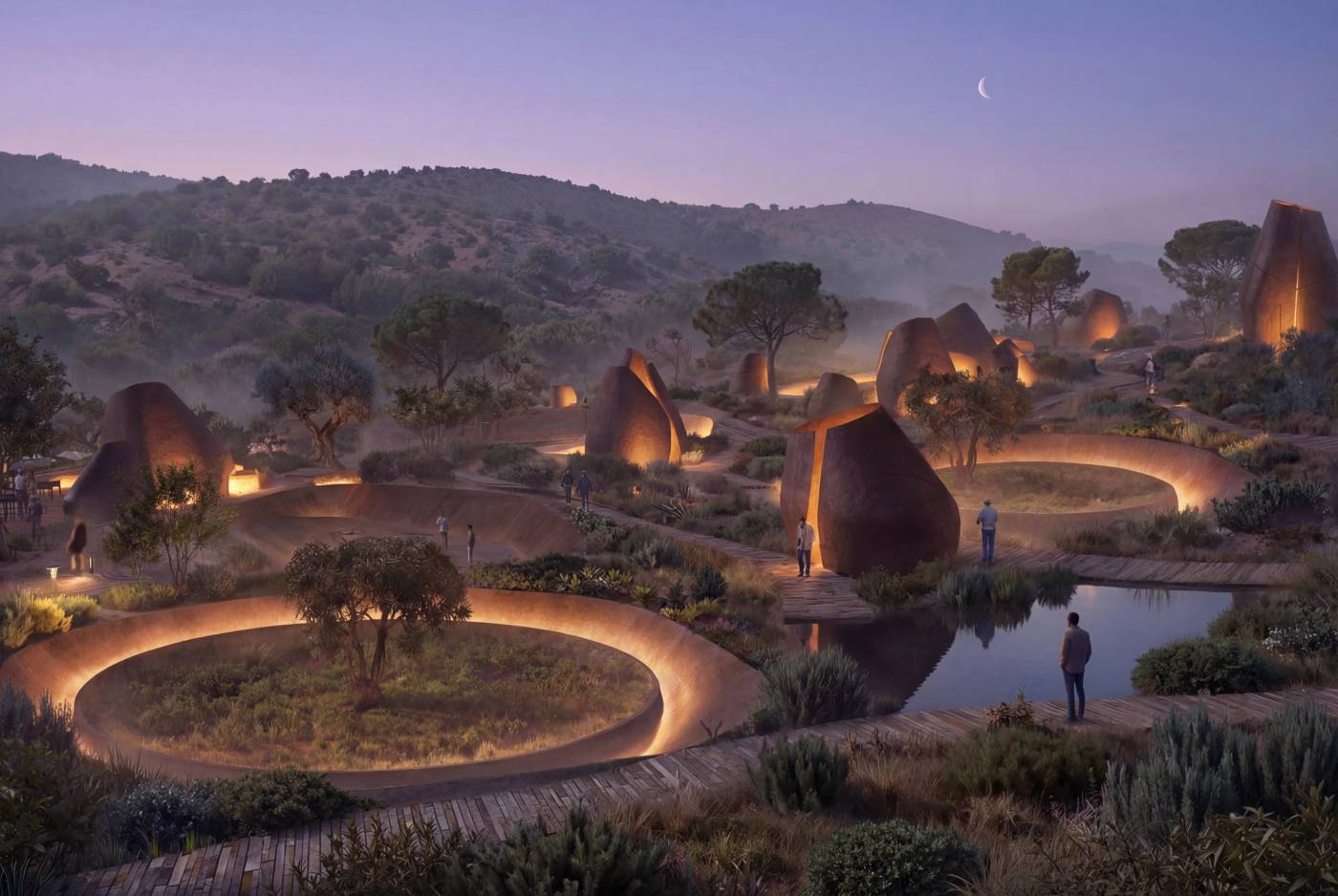
We propose two main strategies. The first utilises crater-type tombs, clusters of graves or central columbaria, designed as intimate, lower-level spaces where only the sky is visible.
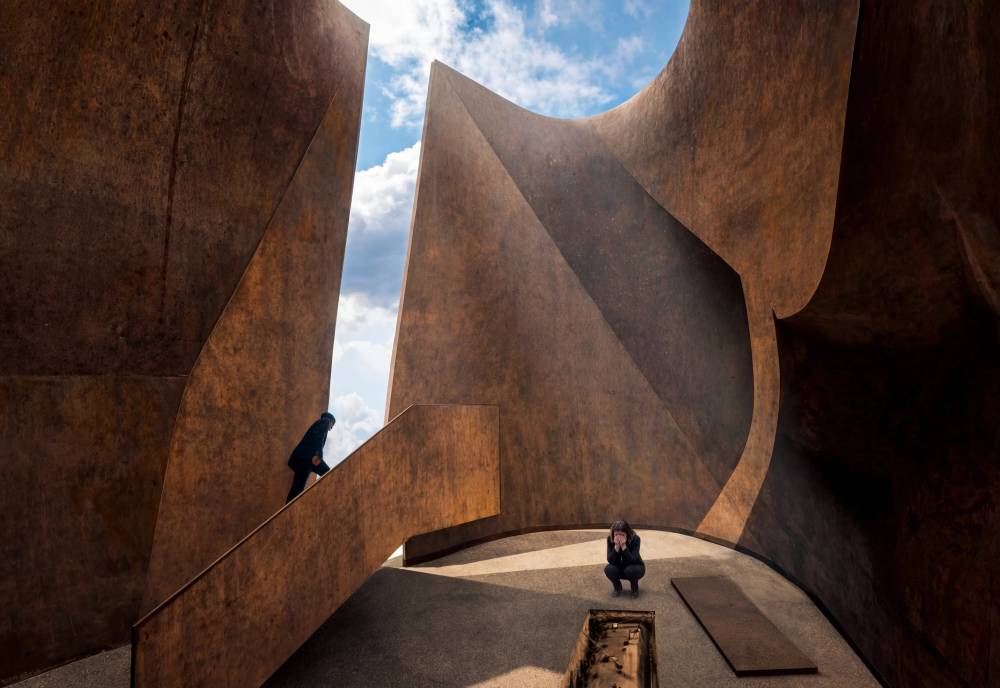
The second introduces built objects: micropantheons resembling small tholoi or large funerary amphoras for family tombs. Additionally, a cemetery church merges volumes, enhancing uniqueness and creating a contemplative landscape.